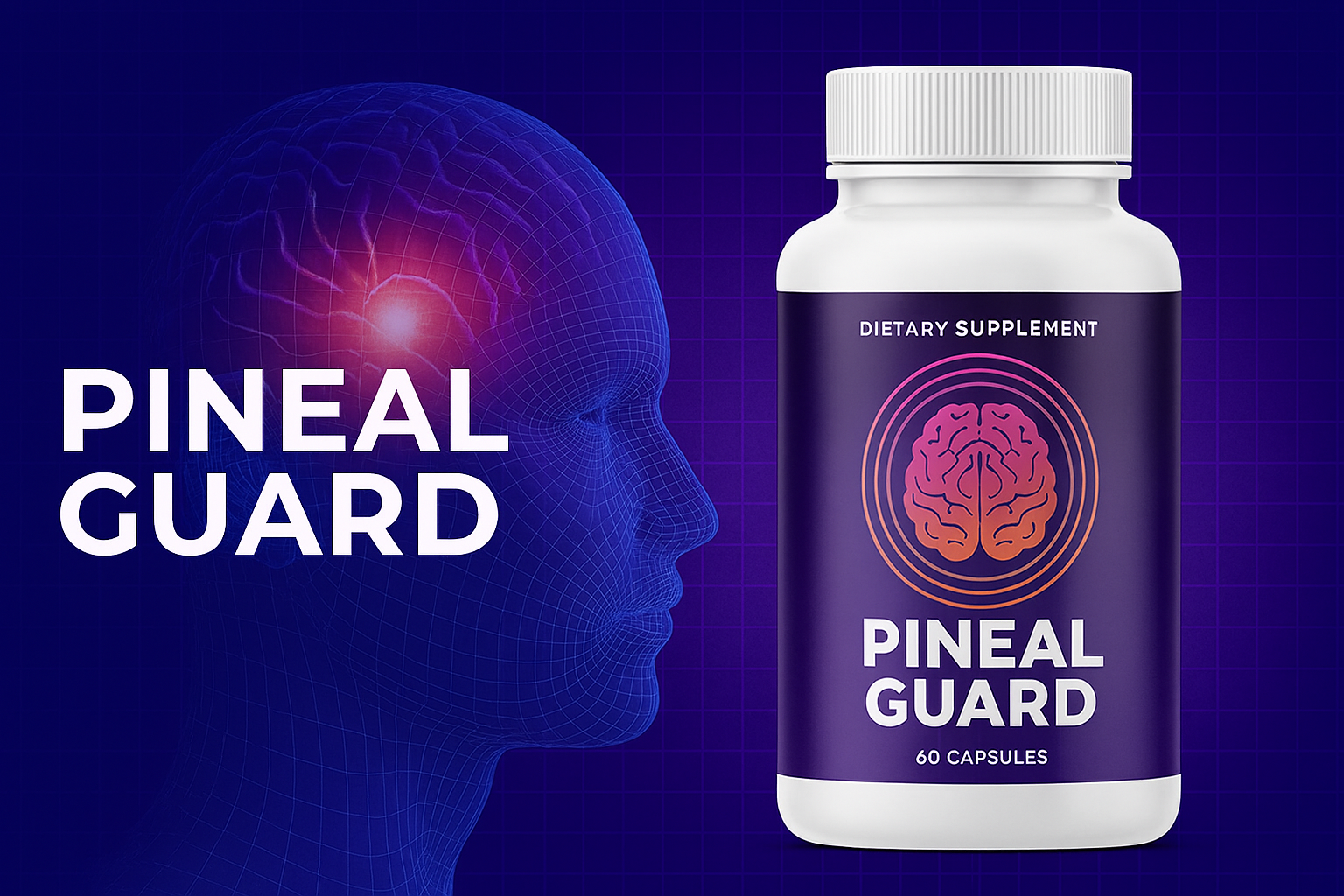
In a world saturated with “brain fog,” poor quality sleep, and a sense of disconnection, many are searching for solutions that go beyond the superficial. It’s in this context that Pineal Guard has emerged, a supplement generating interest for its focus on one of the most mysterious glands in the human body: the pineal gland, often dubbed the “third eye.”
The promise is ambitious: to detoxify this crucial gland to “awaken” its potential, improve sleep, and enhance mental clarity. But do these claims hold up? In this analysis, we’ll bypass the marketing and dive into the science behind its ingredients to give you a clear, unbiased answer.
Quick Verdict: Our 60-Second Pineal Guard Assessment
For those in a hurry, here is our concise evaluation of Pineal Guard.
| Feature | Detail |
|---|---|
| Product: | Pineal Guard |
| Main Purpose: | To detoxify and support pineal gland function, improve sleep quality, and enhance mental clarity. |
| Key Ingredients: | Iodine, Ashwagandha, Turmeric (Curcumin), L-Theanine, Magnesium. |
| Overall Rating: | ⭐⭐⭐⭐☆ (4.3/5) |
| Quick Verdict: | An intriguing formula with ingredients that have strong scientific backing for improving sleep and reducing stress. While direct benefits on “decalcifying” the pineal gland are more theoretical, the overall effects on quality of life are promising. |
| Guarantee: | 365-Day Guarantee, the most robust on the market. |
| Where to Buy: | Only on the Official Website to ensure authenticity and guarantee. |
What is Pineal Guard? Explaining the “Third Eye” Supplement
Pineal Guard is a liquid dietary supplement formulated with a blend of plant extracts, vitamins, and minerals. Its main differentiator is its focus on the health of the pineal gland, a small, pinecone-shaped gland located in the center of the brain.
This gland is responsible for producing melatonin, the hormone that regulates our sleep-wake cycles (circadian rhythm). However, in many spiritual traditions, it is also considered the “third eye,” a center of intuition and higher consciousness.
The Core Theory: How Does Pineal Guard Aim to “Awaken” Your Pineal Gland?
The central theory behind Pineal Guard is the concept of pineal gland calcification. Over time, exposure to certain substances—primarily fluoride (found in tap water and toothpaste) and other heavy metals—can lead to the accumulation of calcium phosphate deposits on this gland.
It’s believed this calcification can impair its primary function, leading to dysregulated melatonin production and, consequently, sleep problems and lethargy. Pineal Guard aims to combat this through a three-step process: detoxification, nourishment, and protection.
Promised Benefits vs. Reality: What Can You Actually Expect?
- Improved Sleep Quality and Circadian Rhythm Regulation: This is the most likely and scientifically-backed benefit. The combination of Melatonin, L-Theanine, and Magnesium is a powerful triad for calming the nervous system, reducing the time it takes to fall asleep, and promoting deeper, more restorative sleep.
- Increased Mental Clarity and Reduced “Brain Fog”: Better sleep almost always leads to better cognitive function. Ingredients like Ashwagandha help reduce mental “noise” from stress, while antioxidants like Turmeric protect brain cells, contributing to a feeling of greater focus.
- Stress and Anxiety Reduction: Ashwagandha is the star here. As an adaptogen, it helps modulate the body’s stress response. L-Theanine complements this by promoting a state of relaxation without drowsiness.
Safety and Side Effects: A Transparent Analysis
Is Pineal Guard Safe to Use?
Pineal Guard is made in the USA in an FDA-registered, GMP-certified facility. This ensures it is manufactured under strict quality controls. The formula is natural, non-GMO, and free of stimulants.
Potential Side Effects to Note
Most users report no adverse side effects. However, some sensitive individuals may experience mild daytime drowsiness or slight gastrointestinal discomfort initially.
Who Should Be Cautious or Consult a Doctor?
It is mandatory to speak with your doctor before taking Pineal Guard if you are pregnant or nursing, have a pre-existing medical condition (especially autoimmune or thyroid issues), or are taking prescription medications (especially sedatives or immunosuppressants).
The Unbiased Review: Pros and Cons of Pineal Guard
What We Like (Pros)
- 365-Day Guarantee: An entire year to try the product risk-free is the best guarantee in the industry and shows incredible manufacturer confidence.
- Liquid Formula for Better Absorption: A liquid form may be absorbed faster and more efficiently than capsules.
- Science-Backed Ingredients: The formula contains well-studied ingredients for sleep, stress, and brain health.
- High Manufacturing Standards: Made in an FDA-registered, GMP-certified facility.
What Could Be Better (Cons)
- Theoretical Claims: The primary claim of “decalcification,” while plausible, is difficult to prove on an individual level.
- Limited Availability: It can only be purchased from the official website.
- Premium Price Point: It is a higher-cost product, reflecting its complex formula and robust guarantee.
Buyer’s Guide: How and Where to Buy Pineal Guard Safely
Critical Warning: Why You Must Buy Only from the Official Website
Alert: To ensure you receive the authentic product and are eligible for the 365-day guarantee, it is imperative to purchase Pineal Guard exclusively from its official website. Any listings on Amazon, eBay, or other stores are highly likely to be counterfeits.
Final Verdict: Is Pineal Guard the Right Choice for You?
After a thorough review, our verdict is that Pineal Guard is a compelling and high-quality supplement, particularly for those prioritizing sleep and stress management. Its strength lies in its blend of well-researched ingredients and the unbeatable 365-day guarantee, making it a risk-free investment in your well-being.
We recommend Pineal Guard if you struggle with inconsistent sleep, feel overwhelmed by daily stress, experience “brain fog,” and want the peace of mind that comes with a year-long money-back guarantee.
Frequently Asked Questions (FAQ)
Q: How long does it take to feel the effects of Pineal Guard?
A: Effects can vary. Some users report feeling calmer and sleeping better within the first week. For more profound benefits like enhanced mental clarity, consistent use for at least 30 to 90 days is recommended.
Q: Can Pineal Guard interact with other medications?
A: Yes, it’s possible. If you are taking any prescription medications, especially sedatives, blood thinners, thyroid medication, or immunosuppressants, it is essential to consult your doctor before using Pineal Guard.
Q: Is the claim of “pineal gland decalcification” scientifically proven?
A: The concept of pineal gland calcification is real and documented. However, the ability of a dietary supplement to actively *reverse* this is still an area of emerging research and is not definitively proven by large-scale clinical trials. The ingredients are chosen to theoretically support this goal.
Q: Is it safe to take Pineal Guard long-term?
A: The formula is made from natural ingredients and designed for ongoing use. Most ingredients are generally considered safe for long-term consumption at the recommended dosage. However, consulting with a healthcare professional for any long-term regimen is always a good practice.